
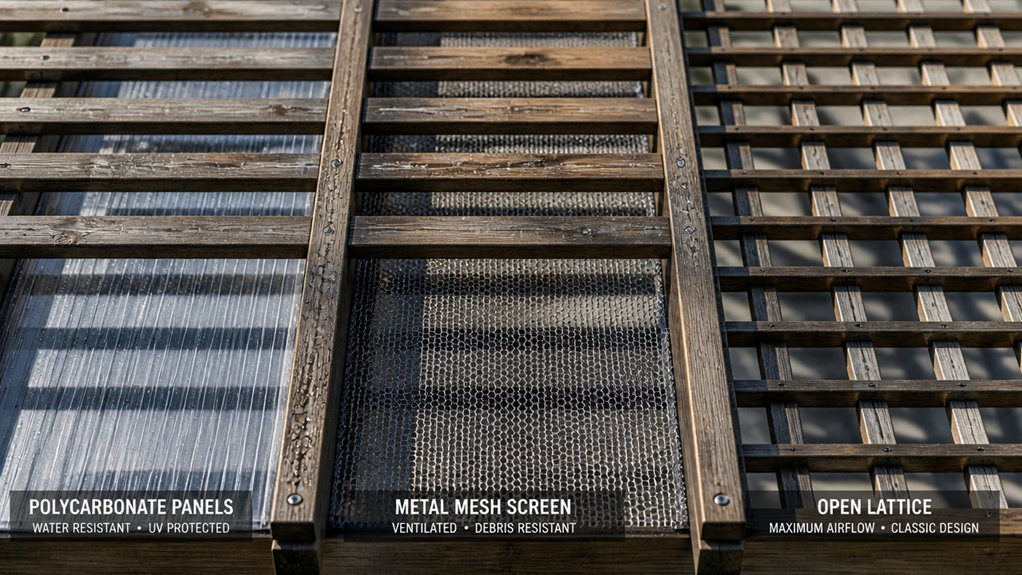
Pergola roof planning involves balancing three critical factors: material cost, structural weight capacity, and water management. Getting these elements right means the difference between a structure that lasts for years and one that causes headaches down the line.
Polycarbonate panels tend to be the most budget-friendly option, making them popular for homeowners watching their spending. Metal and wood, on the other hand, deliver superior durability and a more polished appearance, though both come with noticeably higher price tags. Each material also supports different weight loads, which matters if you live somewhere with heavy snowfall or plan to hang plants or lighting fixtures.
How a roof handles rainfall varies significantly across these choices. Some designs channel water efficiently into gutters, while others require careful angling to prevent pooling and leaks. Climate conditions should heavily influence this decision, as a solution perfect for dry Arizona will struggle in rainy Seattle.
Budget constraints and intended use ultimately guide the selection process. A simple weekend shade structure carries different requirements than a year-round outdoor kitchen cover. Understanding these trade-offs from the start determines whether your pergola thrives or fails over time.
What Pergola Roof Material Costs and Delivers
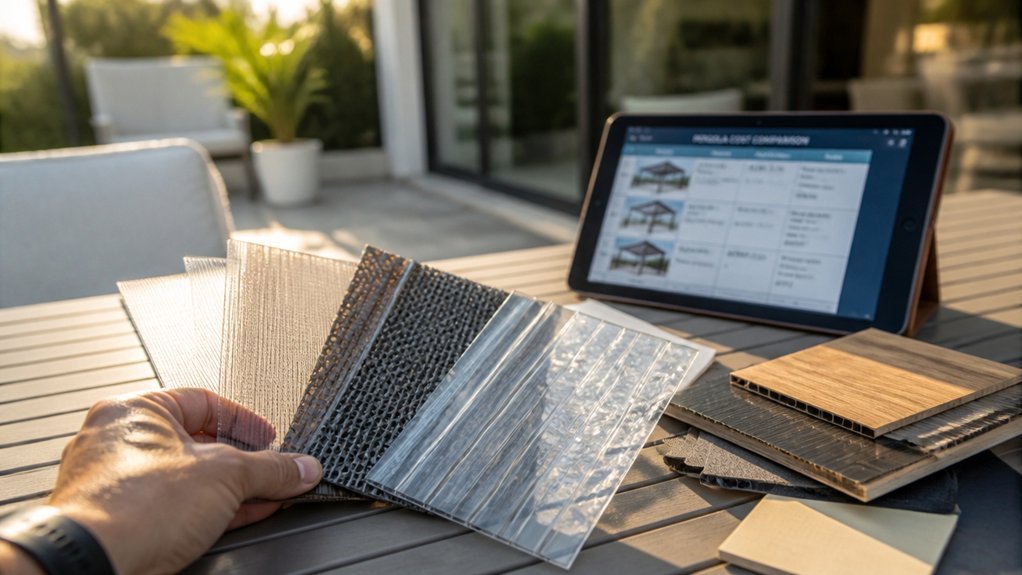
Several pergola roof materials exist, each with distinct cost ranges and performance characteristics.
Polycarbonate panels cost between $15 and $30 per square foot, offering transparency and moderate durability.
Metal options, including aluminum and steel, range from $20 to $50 per square foot, providing strength and longevity.
Wood shingles cost $25 to $60 per square foot but require regular maintenance.
Fabric covers range from $10 to $25 per square foot and offer flexibility.
Vinyl options fall between $12 and $35 per square foot with low maintenance needs.
Each material delivers different benefits regarding weather protection, lifespan, and aesthetic appeal, requiring careful evaluation based on budget and climate conditions.
How Much Weight Your Pergola Frame Can Support
Selecting a roof material determines the weight load a pergola frame must handle, making structural capacity an important consideration during planning.
Wood frames typically support 20 to 50 pounds per square foot, depending on beam size and spacing. Metal frames, using steel or aluminum, accommodate 40 to 100 pounds per square foot.
Wet materials like polycarbonate panels, shade cloth, and vegetation add significant weight. Snow load calculations matter in colder climates, potentially doubling requirements.
Builders should consult local building codes and engineer specifications before finalizing material choices. Undersized frames risk structural failure and safety hazards.
Drainage Systems That Prevent Water Pooling
Because pergola roofs can accumulate water during rain or melting snow, proper drainage systems become essential for preventing pooling and structural damage.
Installing gutters along the roof edges directs water toward downspouts, which channel it away from the structure’s base.
Sloped roof panels, angled at minimum 5-10 degrees, encourage natural water runoff.
Perforated drain pipes beneath the pergola foundation manage ground-level moisture. Mesh screens prevent leaf debris from clogging gutters.
Regular maintenance, including seasonal gutter cleaning and downspout inspection, guarantees systems function effectively.
Some homeowners install French drains or gravel beds for additional ground drainage capacity.
Retractable Awnings
Retractable awnings offer flexible shade coverage that extends and retracts based on weather conditions and homeowner preference. These systems use motorized or manual mechanisms to adjust fabric panels, accommodating sun exposure, rain, and wind.
Installation costs typically range from $1,500 to $4,000, depending on size and motor quality. Retractable awnings weigh less than permanent roof structures, reducing pergola framing requirements.
Materials include acrylic or polyester fabrics with water-resistant coatings.
Maintenance involves periodic cleaning and occasional mechanism servicing. These awnings integrate with drainage systems by allowing water passage when retracted, preventing pooling issues common with fixed coverings.
Polycarbonate and Metal Panels
Polycarbonate and metal panels provide solid, durable roof coverage for pergolas, offering protection from sun, rain, and debris. Polycarbonate panels transmit light while blocking UV rays, creating a bright yet shaded space.
Metal options, including aluminum and steel, deliver maximum durability and longevity.
Both materials weigh more than retractable awnings, requiring reinforced pergola structures to support them. Installation costs range higher due to structural demands.
Drainage requires proper slope and gutter systems to prevent water pooling. Maintenance involves occasional cleaning to preserve transparency and appearance.
These panels suit permanent installations where long-term protection justifies initial investment and structural modifications.
Louvered Roof Systems
While offering adjustable ventilation and light control, louvered roof systems consist of horizontal slats that open and close to manage sun exposure and airflow.
These systems accommodate manual or motorized operation, with options like Equinox and ShadeFX brands providing automated adjustments. Installation requires structural support beams, typically aluminum or steel, rated for local wind and snow loads.
Louvered roofs allow water drainage between slats during rain, though guttering systems improve efficiency.
Costs range from $3,000 to $8,000 for standard sizes, depending on materials and automation features. Weight distribution affects foundation requirements, making professional assessment necessary before installation.
Choose the Right Material for Your Climate
Since climate conditions directly affect pergola durability and performance, selecting appropriate roofing materials becomes essential for long-term functionality.
Hot, dry climates benefit from aluminum or polycarbonate panels, which resist UV damage and heat absorption.
Wet regions require materials like treated wood, metal, or composite options that shed water effectively and resist rot.
Cold climates demand materials tolerating freeze-thaw cycles, such as metal or reinforced plastic.
Coastal areas need corrosion-resistant choices including stainless steel or vinyl.
Evaluating local temperature ranges, humidity levels, precipitation amounts, and seasonal weather patterns guides material selection.
This assessment prevents premature deterioration, reduces maintenance costs, and guarantees reliable shelter for extended periods.
Frequently Asked Questions
How Long Does a Typical Pergola Roof Installation Take to Complete?
A typical pergola roof installation generally requires three to seven days for completion, depending on the design complexity, materials selected, and weather conditions. Professional crews can expedite the process, while custom designs may extend the timeline considerably.
Do I Need a Building Permit Before Installing a Pergola Roof?
Can homeowners really avoid this critical step? Yes, most jurisdictions require building permits before installing a pergola roof. Regulations vary by location, so one should contact their local building department to determine specific requirements and obtain necessary approvals before beginning installation.
Can I Install a Pergola Roof Over an Existing Structure Myself?
One can install a pergola roof over an existing structure independently if possessing adequate carpentry skills and proper tools. However, structural assessments, local codes, and safety considerations often necessitate professional consultation to guarantee proper installation and compliance.
What Maintenance Schedule Should I Follow for My Pergola Roof?
One might assume pergola roofs require minimal upkeep, yet this theory proves false. Owners should inspect quarterly for debris, clean gutters monthly during fall, check sealant annually, and address any damage immediately to guarantee longevity and safety.
Are There Warranty Options Available for Pergola Roof Materials and Installation?
Most manufacturers offer material warranties ranging from five to twenty-five years, depending on the product type. Installation warranties typically last one to ten years. Homeowners should review specific terms and conditions carefully, as coverage varies considerably between providers.
Conclusion
Selecting a pergola roof requires balancing competing demands: affordable materials often sacrifice durability, while robust options drain budgets quickly. Drainage systems prevent water damage, yet improper installation negates cost savings entirely. Climate considerations matter tremendously, though homeowners frequently overlook regional weather patterns when choosing materials. Success ironically depends on addressing all factors simultaneously—cost, weight capacity, drainage, and climate—rather than prioritizing one concern alone.