
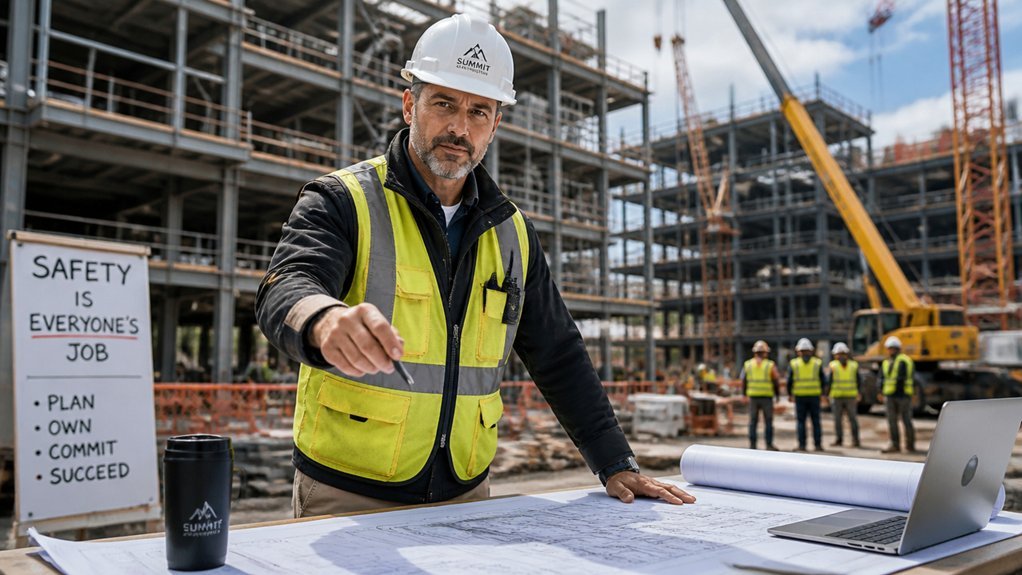
Construction project managers serve as the backbone of any successful building endeavor. They guide projects from initial planning through final completion, orchestrating the many moving parts that keep work on track. Their oversight ensures that timelines, resources, and personnel align toward shared goals.
Daily responsibilities span far beyond simple scheduling. These professionals coordinate workers across multiple trades, source and track materials, monitor budgets against actual spending, and enforce rigorous quality standards at every phase. Safety compliance sits at the top of their priority list, with regular site inspections and risk assessments protecting both crew members and project integrity.
Effective communication defines the best in this field. Project managers bridge gaps between contractors, architects, engineers, and clients, translating technical concerns into actionable solutions. When unexpected challenges arise, their ability to respond quickly often determines whether a project stays viable or veers toward costly delays.
Leadership and foresight round out this demanding role. Strong managers cultivate cohesive teams, anticipate problems before they escalate, and adapt plans without losing sight of core objectives. This combination of skills explains why their presence frequently marks the difference between projects that merely finish and those that truly succeed.
What Construction Project Managers Do: The Role Explained
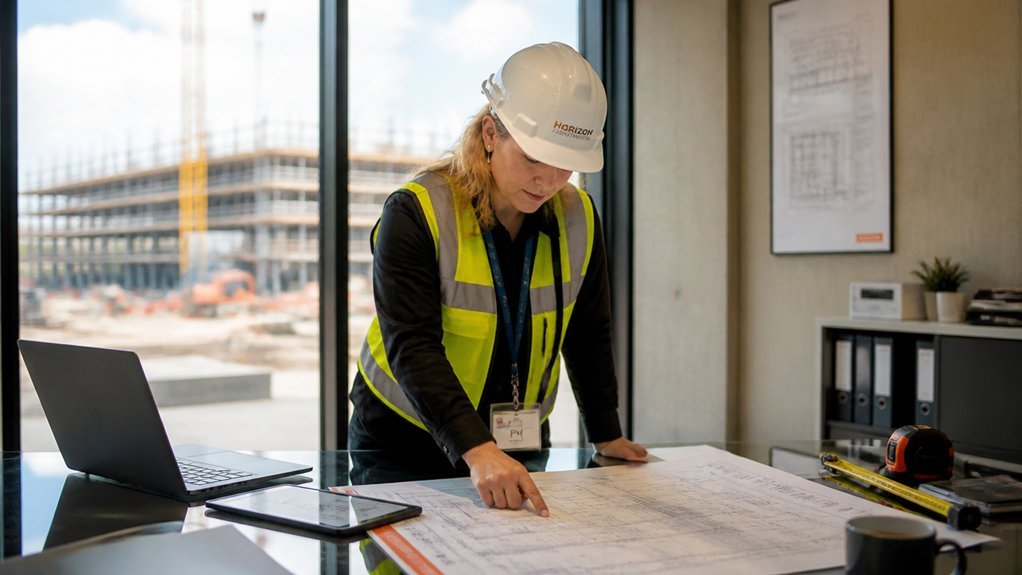
Construction project managers oversee building projects from start to finish, coordinating workers, materials, budgets, and timelines. They schedule tasks, guarantee safety compliance, and monitor progress against deadlines.
Project managers communicate with contractors, architects, and clients, addressing issues as they arise. They track expenses, manage contracts, and maintain documentation for permits and inspections.
Daily responsibilities include site visits to assess work quality, resolve conflicts between teams, and adapt plans when circumstances change.
They document decisions, maintain records, and ensure projects stay on budget while meeting structural and regulatory standards.
Planning Timelines and Project Schedules
Effective scheduling forms the backbone of project management, allowing managers to coordinate the sequence of work, allocate resources, and set realistic completion dates. Project managers develop detailed timelines using tools like Gantt charts and critical path analysis to identify task dependencies and deadlines.
They account for material delivery times, labor availability, weather delays, and permit approvals. Regular schedule reviews help track progress against planned milestones. When delays occur, managers adjust subsequent tasks accordingly.
Clear communication of timelines to contractors, subcontractors, and stakeholders guarantees everyone understands expectations. Accurate scheduling minimizes cost overruns and prevents project disruptions.
Controlling Project Budgets and Costs
Managing budgets and controlling costs ranks among the most critical responsibilities of construction project managers. These professionals track spending on labor, materials, equipment, and subcontractors, comparing actual expenses against estimates.
Project managers monitor cost reports weekly, identifying overruns early and implementing corrective measures. They negotiate vendor pricing, manage change orders, and prevent scope creep that inflates budgets.
Strong cost control requires detailed record-keeping, regular financial reviews, and communication with stakeholders about expenditures. When managers maintain tight budget oversight, they protect project profitability and client satisfaction, ensuring resources are allocated efficiently throughout construction phases.
Managing Quality Standards and Regulatory Compliance
Quality standards and regulatory compliance form the foundation of successful construction projects. Project managers enforce building codes, safety regulations, and industry standards throughout all phases. They conduct regular inspections, document compliance efforts, and coordinate with local authorities.
Managers verify that materials meet specifications, workers follow safety protocols, and installations pass quality tests. They address deficiencies immediately, maintaining detailed records for audits. Common responsibilities include obtaining permits, scheduling inspections, and ensuring proper licensing.
Non-compliance results in costly delays, fines, and project shutdowns. Effective managers stay current with changing regulations, communicate requirements clearly to teams, and implement systematic quality control processes that protect workers, occupants, and project viability.
Leading Teams and Subcontractor Coordination
Coordinating multiple trades, workers, and external contractors requires clear communication, defined roles, and structured oversight. Project managers establish schedules, assign responsibilities, and monitor performance across teams.
Daily briefings address priorities, safety concerns, and timeline adjustments.
Subcontractors receive detailed specifications, contract terms, and quality expectations upfront. Managers track deliverables, inspect work quality, and resolve conflicts between trades.
Documentation includes punch lists, progress reports, and compliance records. Regular site inspections guarantee adherence to plans and standards.
Effective coordination prevents delays, reduces rework, and maintains budget control throughout the project lifecycle.
Building Safety Protocols and Managing Risk
Construction sites present numerous hazards, including falls from heights, equipment operation injuries, electrical exposure, and structural collapse. Project managers must implement thorough safety protocols to protect workers and prevent accidents.
They establish daily safety briefings, enforce personal protective equipment requirements, and conduct regular site inspections. Managers identify potential risks through hazard assessments, document safety violations, and guarantee compliance with OSHA regulations.
They coordinate with safety officers, investigate incident reports, and maintain detailed safety records. Effective risk management includes securing proper insurance coverage, training workers on equipment use, and maintaining emergency response procedures.
These responsibilities reduce workplace injuries, improve productivity, and protect the company from costly liability claims.
Stakeholder Communication and Progress Reporting
Beyond implementing safety measures and risk controls, project managers must maintain clear lines of communication with all parties involved in the construction project.
Effective stakeholder communication includes regular updates to clients, contractors, subcontractors, and regulatory agencies regarding project milestones, budget status, and schedule adherence.
Progress reporting documents completed work, identifies delays, and highlights upcoming phases. Project managers distribute weekly or monthly reports containing timelines, cost analyses, and risk assessments.
They conduct meetings with key stakeholders, addressing concerns and adjusting plans accordingly. This structured communication prevents misunderstandings, guarantees alignment on project objectives, and maintains accountability across all involved parties throughout construction completion.
Frequently Asked Questions
What Qualifications and Certifications Do Construction Project Managers Need to Obtain?
Construction project managers typically need a bachelor’s degree in construction management or related field. Professional certifications like PMP, DBIA, or CPM enhance credentials. Many states require specific licensing. Relevant experience and technical knowledge are equally essential for career advancement.
How Do Project Managers Handle Unexpected Delays or Changes During Construction?
Notably, experienced project managers often anticipate disruptions before they materialize. They implement contingency plans, communicate promptly with stakeholders, document all changes, adjust schedules and budgets accordingly, and maintain detailed records ensuring project continuity and stakeholder alignment throughout construction.
What Software Tools and Technology Do Construction Project Managers Typically Use?
Construction project managers typically utilize project management software like Procore, Microsoft Project, and AutoCAD for scheduling and design. They also employ BIM technology, mobile apps for site documentation, and communication platforms to coordinate teams and track progress efficiently.
How Are Construction Project Managers Compensated, and What’s the Average Salary?
According to the Bureau of Labor Statistics, construction managers earn a median annual salary of $98,000. Compensation typically includes base salary, bonuses tied to project performance, benefits packages, and overtime pay, varying by location, experience, and project complexity.
What Career Advancement Opportunities Exist for Experienced Construction Project Managers?
Experienced construction project managers advance to senior project manager, construction director, or vice president positions. Some shift into consulting, estimating, or business ownership. Advanced certifications and demonstrated leadership skills accelerate career progression and increase earning potential considerably.
Conclusion
Construction project managers serve as the backbone holding projects upright, balancing schedules, budgets, safety, and teams simultaneously. They coordinate contractors, monitor quality standards, communicate with stakeholders, and enforce compliance requirements. Success depends on managing timelines, controlling costs, maintaining safety protocols, and leading effectively. Their multifaceted responsibilities guarantee projects remain aligned, resources stay allocated properly, and objectives reach completion on target.