
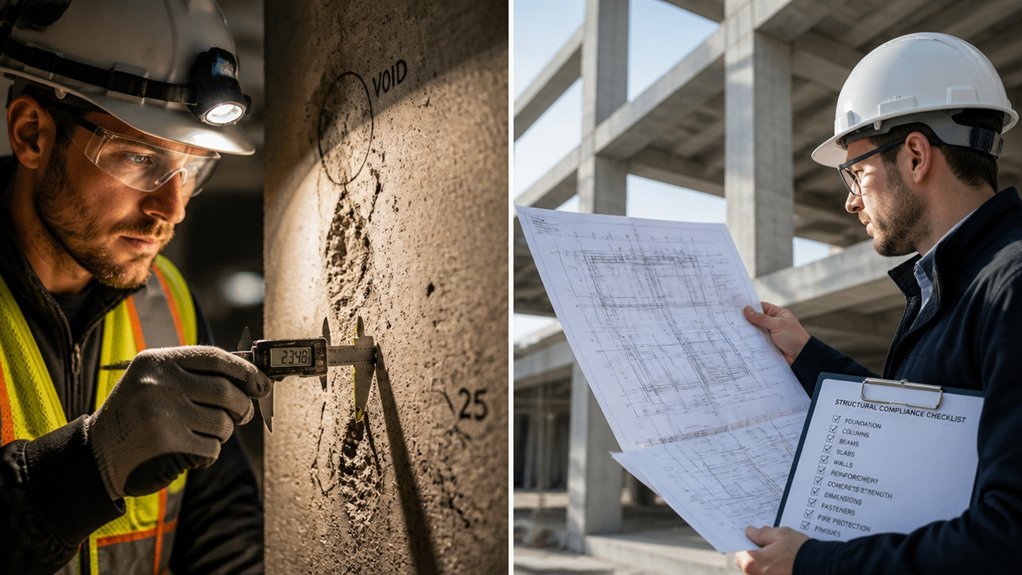
Construction projects rely on two distinct yet complementary approaches to maintain standards. Quality Assurance establishes protocols before work begins, preventing defects through planning and established procedures. Quality Control, conversely, inspects completed work to catch problems before handover.
Both play essential roles in delivering successful outcomes. Quality Assurance focuses on prevention, building quality into processes from the start. Quality Control addresses detection, identifying issues that slip through despite careful planning. Neither alone suffices.
Understanding their separate functions reveals why projects fail when either component is neglected. Teams need robust QA systems to minimize errors at the source. They also need vigilant QC checkpoints to catch what preventive measures miss.
Quality Assurance vs Quality Control: Core Differences
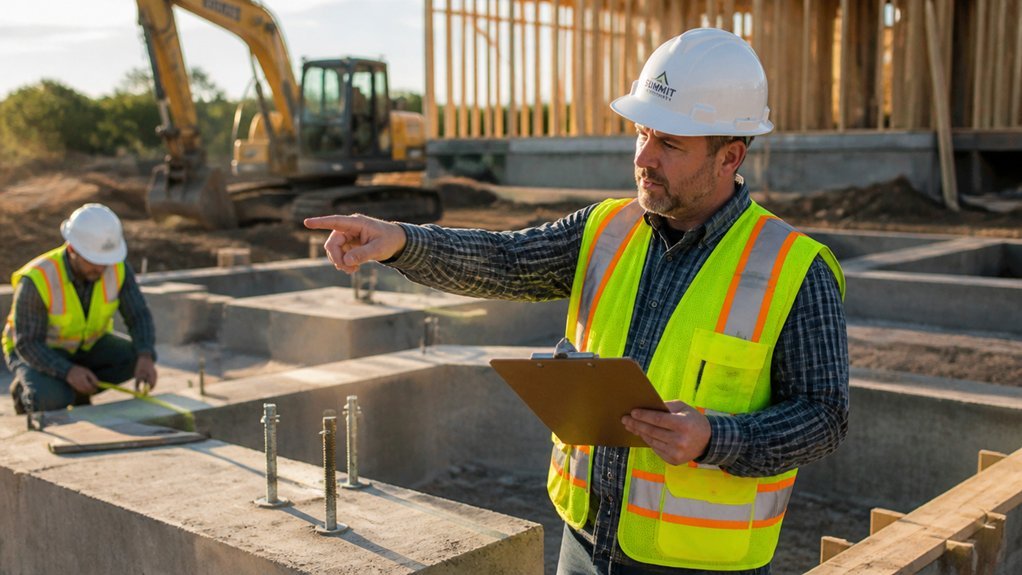
Quality assurance and quality control represent two distinct approaches to ensuring construction meets required standards. Quality assurance focuses on preventing defects through planning, processes, and systems before work begins. Quality control involves testing and inspecting completed work to identify problems.
Assurance operates proactively, establishing procedures for concrete pouring, steel placement, and safety protocols. Control operates reactively, measuring finished materials, examining welds, and verifying dimensions against specifications. Assurance prevents issues; control detects them.
Construction projects require both functions. Assurance reduces errors early, while control catches remaining problems before occupancy. These complementary processes work together to maintain structural integrity and code compliance throughout project execution.
Quality Assurance: Prevention as Cost Control
While quality control catches problems after they occur, prevention through systematic planning and oversight offers construction projects a more economical path forward. Quality assurance reduces costs by identifying risks during planning stages, before materials arrive or work begins.
Regular inspections, standardized procedures, and worker training prevent defects that would otherwise require expensive rework. For example, establishing concrete curing protocols upfront costs less than demolishing and rebuilding failed foundations later. Documentation and checklists guarantee consistency across tasks.
Quality Control: Catching Defects Before Handover
Despite careful planning and prevention measures, defects and errors still occur during construction projects. Quality control addresses these issues through active inspection and testing before project handover.
Inspectors examine concrete strength, electrical systems, plumbing connections, and structural alignment against specifications. They identify problems like cracks, improper installations, and material defects early. This approach reduces costs by preventing costly rework after completion.
Quality control uses testing equipment, checklists, and documentation to verify work quality. When defects surface, corrections happen immediately, ensuring the final product meets standards and client expectations before transfer of ownership.
QA vs QC: Roles and Accountability
Although quality control and quality assurance both aim to deliver acceptable construction outcomes, they operate through different mechanisms and involve distinct responsibilities. Quality control focuses on identifying defects in finished work through inspections and testing, while quality assurance prevents problems by establishing procedures and standards beforehand.
QC personnel examine concrete strength, steel placement, and material specifications at job sites. QA teams develop protocols, training programs, and documentation systems.
QC staff report directly to project managers, addressing immediate issues. QA coordinators work across multiple projects, refining processes company-wide.
Both functions require accountability. QC guarantees compliance during construction, while QA ensures systems support consistent quality across all operations.
How QA and QC Work Together on a Project
Quality assurance and quality control function most effectively when they operate as complementary systems rather than separate departments. QA establishes standards and procedures before work begins, while QC inspects finished work against those standards.
On construction projects, QA teams develop specifications for concrete strength and steel reinforcement. Then, QC teams test actual materials and installations. Regular communication between departments identifies problems early. For example, if QC discovers rebar spacing issues, QA adjusts future procedures.
Weekly meetings, shared documentation, and unified reporting systems strengthen coordination. This integrated approach reduces defects, prevents costly rework, and guarantees project consistency throughout construction phases.
Where QA and QC Programs Fail
When QA and QC programs operate in isolation, they create gaps that allow defects to progress unchecked through construction phases. Poor communication between teams results in missed documentation, unclear standards, and duplicated efforts.
Inadequate training leaves inspectors unable to identify specific defects like concrete compaction failures or rebar placement errors. Insufficient funding restricts testing frequency and equipment availability.
Lack of corrective action protocols means identified problems go unresolved. Projects fail when QA sets standards without QC enforcement, or when QC inspects without understanding project objectives.
Success requires integrated systems, clear accountability, consistent documentation, and management support throughout all construction stages.
QA and QC Metrics That Matter
Effective QA and QC programs rely on measurable data to track performance, identify trends, and demonstrate compliance with project standards.
Key metrics include defect rates, which measure nonconforming work per inspection cycle, and inspection completion percentages, showing whether teams conduct required assessments. Response time metrics track how quickly crews address identified issues.
Documentation accuracy rates indicate whether records properly reflect actual conditions. Cost of quality measures expenses related to prevention, appraisal, and failure activities.
Concrete tracking examples include daily inspection logs, material test results, and rework documentation. These metrics enable managers to evaluate program effectiveness objectively and make informed adjustments.
Frequently Asked Questions
What Certifications or Training Do QA and QC Professionals Need to Obtain?
Quality assurance and quality control professionals typically obtain certifications such as ISO 9001, ASQ (American Society for Quality) credentials, construction management certificates, and industry-specific training. Many pursue advanced degrees in quality management or construction engineering to enhance their expertise.
How Much Budget Should Construction Projects Allocate to QA Versus QC Activities?
Projects typically allocate 3-5% of total budget to quality activities, with QA receiving 30-40% and QC receiving 60-70% of that allocation. Exact percentages depend on project complexity, risk level, and contractual requirements.
Can QA and QC Be Outsourced to Third-Party Companies Effectively?
Like Odysseus delegating tasks to trusted crew members, organizations effectively outsource QA and QC to specialized third-party firms. These external providers bring expertise and objectivity, though client oversight remains essential to guarantee standards align with project requirements.
What Technology Tools and Software Are Best for QA and QC Management?
Leading QA/QC management software includes BIM-integrated platforms, mobile inspection apps, and real-time documentation systems. Tools like Touchplan, PlanGrid, and Bridgit streamline inspections, defect tracking, and compliance reporting, enabling efficient quality oversight across construction projects.
How Do QA and QC Processes Differ Across Various Construction Project Types?
Like ancient Roman engineers using modern blueprints, contemporary projects adapt quality protocols distinctly. Residential construction emphasizes material inspections, while commercial projects demand rigorous system testing. Heavy infrastructure requires geological assessments; specialized facilities necessitate compliance-focused documentation and safety protocols uniquely tailored accordingly.
Conclusion
QA prevents problems before construction starts, while QC catches them after work completes. One builds systems that stop defects from occurring, the other inspects finished work to find what slipped through. Neither alone suffices; together they form a complete safety net. Projects thriving with both programs experience fewer costly rework situations, structural failures, and compliance issues than those relying on either approach independently.