
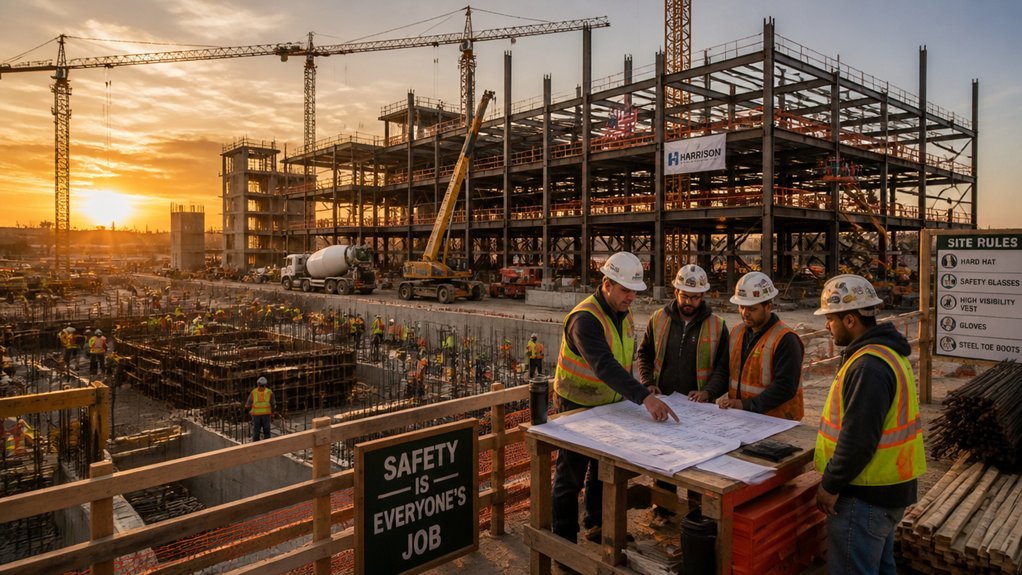
Construction management is the glue that holds building projects together. A manager guides everything from the first blueprint to the final inspection, bringing architects, engineers, and tradespeople into alignment. Without this coordination, even simple projects can spiral into costly chaos.
Daily life on the job involves constant motion. Managers review schedules, monitor spending, enforce safety protocols, and inspect work quality at every stage. They catch small issues before they become expensive headaches, often walking the site with tablets or apps that keep real-time data flowing to everyone involved.
The difference between a project that finishes on time and one that drags on for months usually comes down to two things: planning done right and people talking to each other. When teams share information openly and anticipate problems rather than just react to them, buildings rise faster and budgets stay intact.
Understanding Construction Management: What It Really Involves
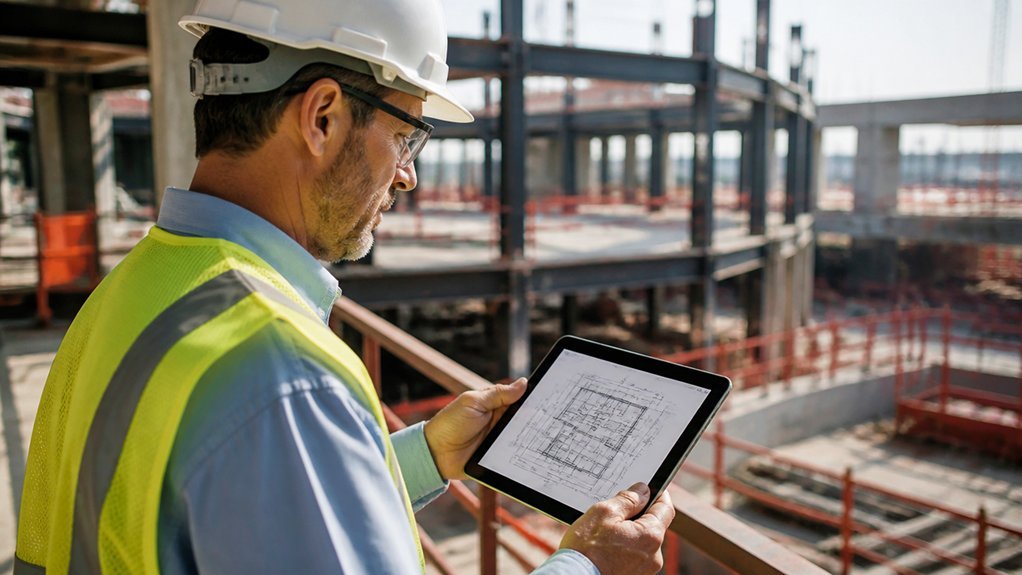
Construction management is the discipline of planning, coordinating, and controlling construction projects from start to finish. This field encompasses scheduling, budgeting, resource allocation, and quality assurance across residential, commercial, and industrial work.
Managers oversee subcontractors, suppliers, and laborers while ensuring compliance with safety regulations and building codes. They track timelines, manage costs, and monitor progress against project specifications.
Construction managers utilize tools like Gantt charts and project management software to coordinate activities. They address conflicts between stakeholders, from architects to clients, maintaining communication throughout the project lifecycle.
Success depends on attention to detail, problem-solving, and systematic organization.
How Construction Projects Move From Concept to Completion
A project’s journey from initial idea to finished building follows distinct phases that construction managers must coordinate carefully.
The process begins with planning, where teams establish budgets, timelines, and design specifications.
Next comes the pre-construction phase, involving permits, site preparation, and material ordering.
During construction, workers execute the actual building work while managers monitor progress and quality.
The final phase includes inspections, punch-list items, and project closeout. Each phase requires different expertise and oversight.
Construction managers serve as the central coordination point, ensuring all parties communicate effectively and deadlines remain achievable throughout these interconnected stages.
What Construction Managers Actually Do
Since buildings require coordination across multiple trades and timelines, managers handle tasks that keep projects moving forward efficiently. They schedule work phases, manage budgets, and track materials. Managers hire contractors, inspect completed work, and resolve problems between crews.
They communicate with architects, engineers, clients, and workers daily. Safety monitoring represents a critical responsibility, ensuring compliance with regulations and protocols. Documentation of progress, costs, and changes occurs continuously.
When delays or conflicts arise, managers develop solutions quickly. They verify quality standards are met throughout construction.
Ultimately, construction managers serve as central coordinators ensuring projects stay on schedule and within budget constraints.
Controlling Budgets and Timelines: Practical Strategies
Keeping projects financially stable and on schedule requires managers to apply specific control methods throughout construction phases. They track expenses against approved budgets, comparing actual costs to estimates for labor, materials, and equipment. Regular monitoring identifies overspending early, allowing adjustments before problems escalate.
Managers maintain detailed schedules, noting task dependencies, resource availability, and completion deadlines. Progress reports compare planned timelines to actual progress, revealing delays requiring corrective action.
Common strategies include value engineering to reduce costs, resource reallocation to accelerate work, and contingency reserves for unexpected expenses. Documentation of all changes guarantees accountability and supports future project planning decisions.
Digital Tools Transforming Construction Management
Technology has fundamentally changed how construction managers control projects, budgets, and teams. Software platforms like Procore and Buildr streamline scheduling, document management, and communication across job sites. Mobile apps enable real-time progress tracking, allowing managers to monitor work from remote locations.
BIM (Building Information Modeling) software helps teams visualize projects before construction begins, reducing costly errors. Drones inspect hard-to-reach areas safely, while project management tools automate reporting and compliance tasks.
These digital solutions improve coordination between contractors, suppliers, and stakeholders. Cloud-based systems guarantee all team members access current information simultaneously, decreasing delays and miscommunication that traditionally plagued construction projects.
Solving On-Site Obstacles: Real Challenges, Real Solutions
While digital tools provide managers with better visibility and communication, construction sites still encounter physical, logistical, and human obstacles that software alone cannot resolve.
Weather delays require contingency planning and schedule adjustments. Material shortages demand supplier coordination and inventory management. Equipment breakdowns necessitate maintenance protocols and backup resources.
Labor disputes need clear communication and conflict resolution procedures. Safety violations require immediate intervention and retraining.
Site access problems, including traffic congestion or permit delays, require advance coordination with local authorities. Managers address these obstacles through proactive monitoring, documented procedures, stakeholder communication, and flexible resource allocation strategies tailored to specific project conditions.
When You Need a Construction Manager (and Why It Matters)
How do project owners know when hiring a construction manager becomes necessary rather than optional? Large projects, typically exceeding $5 million in budget or spanning multiple years, benefit greatly from dedicated management.
Complex builds involving numerous contractors, tight schedules, or specialized work, such as commercial developments or infrastructure projects, require professional oversight. Construction managers coordinate subcontractors, manage timelines, monitor budgets, and guarantee regulatory compliance. They resolve conflicts between trades, track material deliveries, and document progress.
Smaller residential projects may not require full-time managers, though consultation remains valuable.
Construction managers ultimately reduce costly delays, prevent budget overruns, and protect project quality through systematic organization and experienced decision-making.
Frequently Asked Questions
How Much Does It Typically Cost to Hire a Professional Construction Manager?
Professional construction managers typically charge between 5-15% of total project costs or $50-$150 per hour. Fees vary based on project complexity, location, and experience level. Some charge flat rates for smaller projects.
What Qualifications and Certifications Should a Construction Manager Have?
Construction managers should possess a bachelor’s degree in construction management or engineering. Professional certifications such as Certified Construction Manager (CCM) or Professional Constructor (PC) demonstrate expertise. Additional qualifications include experience in project management and knowledge of building codes.
How Do Construction Managers Handle Safety Compliance and Worker Injury Prevention?
Construction managers implement thorough safety protocols by conducting regular inspections, enforcing OSHA regulations, providing mandatory training, maintaining incident documentation, and fostering a safety-first culture. They investigate hazards proactively and hold teams accountable for compliance standards.
What Is the Difference Between a Construction Manager and General Contractor?
A construction manager oversees projects for the owner, focusing on scheduling and coordination. A general contractor assumes financial responsibility, manages subcontractors, and bears liability for project completion and quality.
How Do Construction Managers Communicate With Clients Throughout the Project?
While clients often expect sporadic updates, construction managers maintain consistent dialogue through regular meetings, detailed progress reports, and transparent documentation. They balance proactive communication with professional boundaries, ensuring stakeholders remain informed without micromanaging daily operations.
Conclusion
Construction management functions like a conductor orchestrating a complex symphony, coordinating architects, engineers, and subcontractors toward project completion. Effective managers control budgets, maintain schedules, and address safety concerns through digital tools and documentation. Success requires monitoring progress, solving on-site problems, and ensuring quality standards. Projects demand professional oversight to stay on time, within budget, and meet specifications. Construction managers prove essential for complex builds requiring coordination and risk management.