
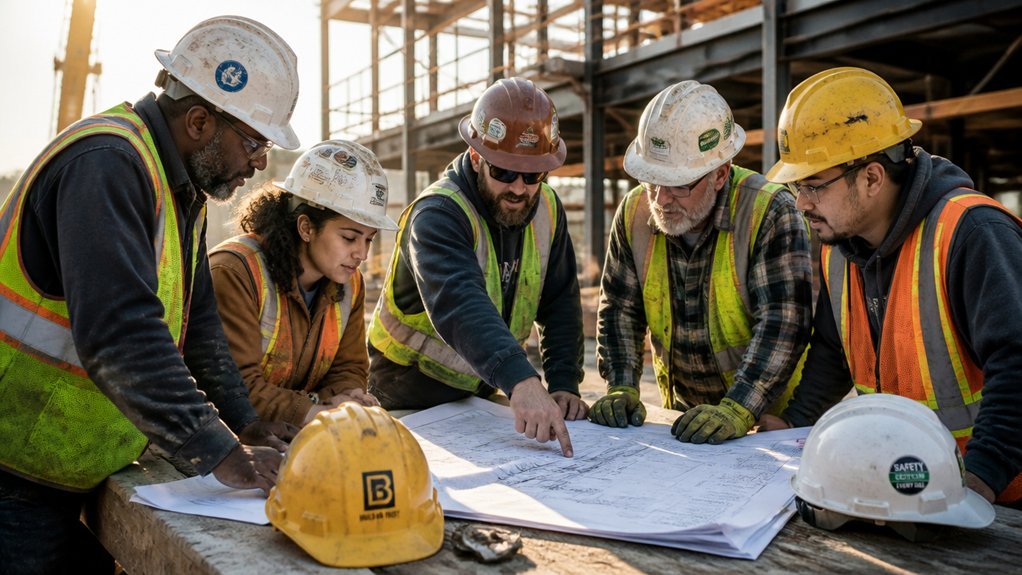
Communication lies at the heart of every successful construction project. When teams lack clarity about their responsibilities, tools, or timelines, the results are predictable: missed deadlines, expensive mistakes, and frustrated workers who struggle to coordinate their efforts.
Daily briefings create alignment before work begins. Written standards remove ambiguity about quality expectations. Feedback channels let issues surface before they escalate. Together, these practices build trust across crews, supervisors, and project managers who might otherwise operate in silos.
Yet implementing this foundation rarely follows a simple template. A small residential build demands different rhythms than a multi-year commercial development. Subcontractor relationships, union requirements, and geographic dispersion all reshape what “good communication” actually looks like in practice.
Establish Clear Communication Roles and Reporting Lines
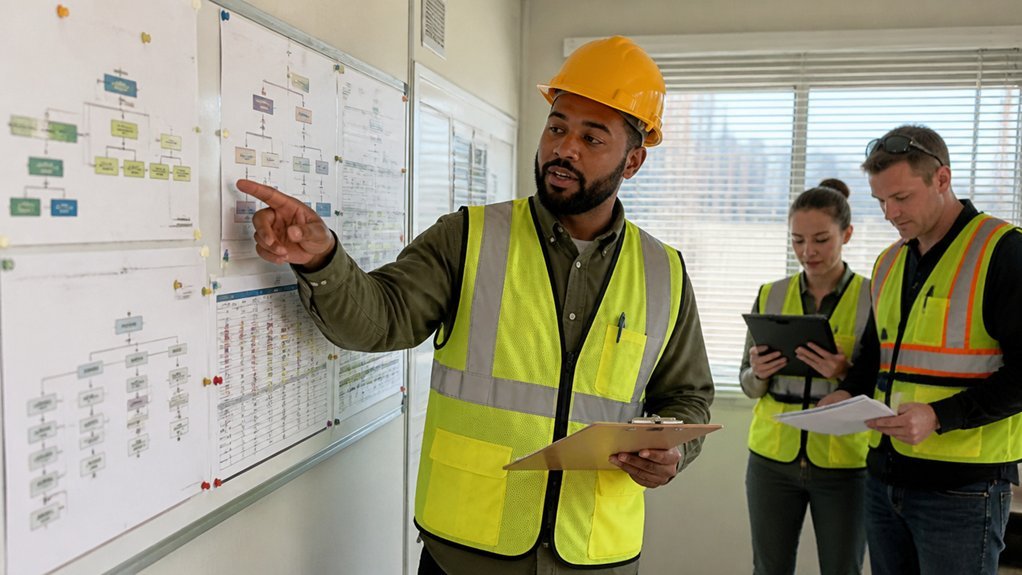
When a construction project lacks defined communication structures, confusion spreads quickly among team members, subcontractors, and clients. Establishing clear roles guarantees everyone knows their responsibilities and reporting lines.
The project manager typically oversees communication between contractors, suppliers, and the owner. Superintendents handle daily site communication with crews. Safety officers report hazards directly to management.
Each role requires specific channels: email for documentation, daily meetings for updates, phone calls for urgent issues. Written job descriptions outline communication duties.
Regular meetings with defined agendas prevent information gaps. Clear hierarchies reduce duplicate messages and contradictory instructions, keeping projects on schedule and within budget constraints.
Choose the Right Tools for Your Site and Team
Effective construction communication requires selecting tools that match the project’s size, complexity, and team structure. Daily coordination demands depend on whether teams work on-site or remotely.
Large projects benefit from dedicated software platforms like Procore or Touchplan, which centralize schedules, documents, and updates.
Smaller jobs may function adequately with email, text messaging, or basic shared folders. Mobile apps enable real-time photo documentation and punch lists.
Selection criteria include budget constraints, worker tech familiarity, and existing company systems.
The chosen tools must integrate seamlessly with established workflows. Teams should pilot systems before full implementation to identify compatibility issues and training needs.
Hold Daily Communication Briefings and Progress Updates
Daily briefings serve as the foundation for keeping construction teams aligned on priorities, changes, and potential obstacles. These meetings typically occur at shift start, lasting 10 to 15 minutes, covering safety concerns, task assignments, and schedule updates.
Supervisors should document attendance, decisions, and action items for reference. Effective briefings address weather impacts, material deliveries, equipment availability, and workforce allocation.
Teams benefit from discussing lessons learned and identifying bottlenecks before they escalate. Brief written summaries, posted on-site or distributed digitally, reinforce key messages.
Consistent daily communication reduces rework, accidents, and misunderstandings across all crew members and trades.
Document Communication Standards in Writing
Most construction projects require written communication standards that specify how teams exchange information, report progress, and document decisions. Establishing these standards prevents misunderstandings, guarantees consistency, and creates records for disputes or audits.
Written protocols should outline preferred channels: email, messaging apps, or formal reports for different situations. Standards must define who receives updates, response timeframes, and escalation procedures.
Documentation requirements should address meeting notes, change orders, safety incidents, and daily logs. Implementation involves distributing guidelines to all team members, training staff on procedures, and designating someone to monitor compliance.
Regular review guarantees standards remain relevant and effective throughout the project lifecycle.
Build a Communication Culture Where Questions Are Welcome
When team members fear asking questions, critical information remains hidden, mistakes compound, and safety risks increase on construction sites. Creating an open environment requires deliberate action from project leadership.
Managers should respond to inquiries without dismissal, acknowledge concerns seriously, and follow up on suggestions. Regular toolbox talks provide designated spaces for questions.
Anonymous feedback systems allow workers to raise issues without direct confrontation. Documenting common questions and answers creates reference materials.
When supervisors model curiosity and admit their own uncertainties, team members feel safer participating. This foundation reduces rework, improves safety compliance, and strengthens overall project outcomes.
Track What’s Working and Adjust as Needed
Measuring communication effectiveness reveals which strategies deliver results and which require modification. Project teams should track response times, attendance at meetings, and clarity of information shared.
Regular feedback surveys identify pain points in current systems. Data shows whether daily toolbox talks, email updates, or mobile apps work best for specific groups.
Teams adjust methods based on actual performance, not assumptions. Removing ineffective channels saves time and reduces confusion.
Monitoring progress quarterly allows continuous improvement, ensuring communication systems evolve with project needs and workforce preferences.
Resolve Conflicts Before They Escalate
Construction projects involve multiple trades, schedules, and priorities, creating conditions where disagreements surface quickly. Early intervention prevents minor disputes from becoming costly problems.
Project managers should establish clear protocols for addressing concerns, designating a point person for grievances. Regular toolbox talks allow teams to voice issues in controlled settings. When conflicts arise between subcontractors over equipment access or timeline changes, documented discussions create accountability.
Written summaries of resolved disputes prevent recurring arguments. Site inspections that include all parties clarify misunderstandings about work quality or specifications.
Addressing friction promptly, before resentment builds, maintains productivity and reduces project delays.
Frequently Asked Questions
How Do We Communicate Effectively With Subcontractors Who Speak Different Languages?
Project managers should utilize professional translators, provide written instructions in multiple languages, and employ visual diagrams or photos. Establishing clear communication protocols and designated bilingual liaisons guarantees understanding and reduces costly misunderstandings on-site.
What Should We Do When Communication Breaks Down Between Teams on Site?
A concrete pour delayed because crews misunderstood scheduling highlights why immediate intervention matters. Teams should conduct on-site huddles, clarify misunderstandings directly, document decisions in writing, and involve supervisors to realign objectives quickly.
How Can We Ensure Remote Team Members Stay Informed About Project Changes?
Project managers should establish regular video briefings, maintain centralized documentation systems, and utilize real-time collaboration platforms. This guarantees remote team members receive timely updates about schedule changes, design modifications, and site developments without delays or miscommunication.
What’s the Best Way to Communicate Budget or Schedule Changes to Stakeholders?
Project managers should promptly notify stakeholders through formal written documentation, detailed meetings, and clear explanations of impacts. Transparency regarding budget or schedule changes, including root causes and mitigation strategies, builds trust and enables informed decision-making across all parties involved.
How Do We Handle Sensitive Information Sharing on Construction Project Sites?
Project managers should establish clear protocols restricting access to confidential data, implement secure document storage systems, and guarantee only authorized personnel receive sensitive information. Regular training reinforces confidentiality obligations among team members.
Conclusion
Implementing these communication strategies requires initial effort, yet the investment prevents costly rework and delays. Teams often resist structured processes, viewing them as bureaucratic obstacles. However, documented standards, clear roles, and daily briefings actually reduce meetings by eliminating confusion. Construction projects succeed through consistent information flow. When team members know expectations, access proper tools, and feel comfortable asking questions, projects run smoother, safer, and more profitably.