
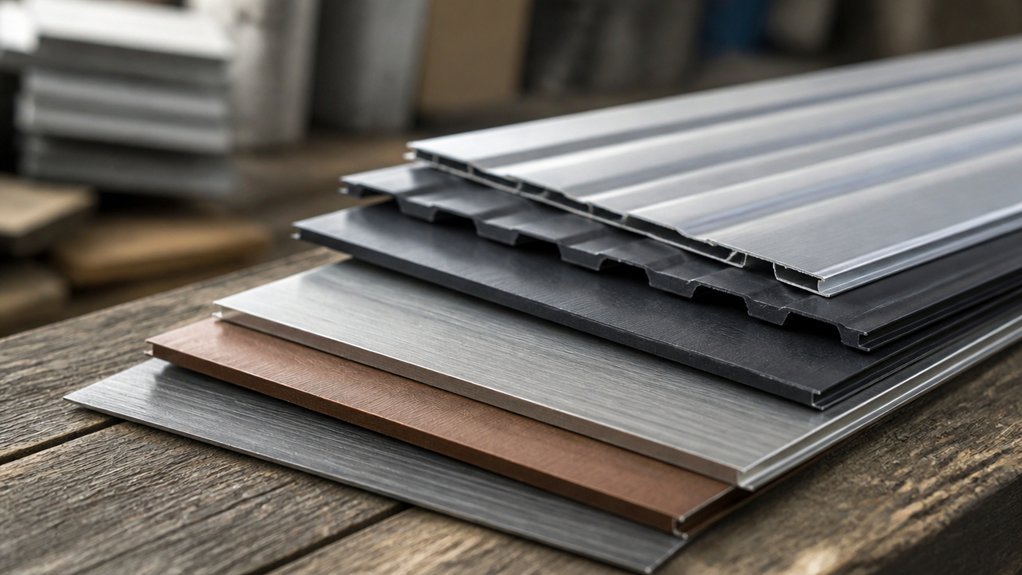
Material selection sits at the heart of every metal siding budget. Aluminum tends to run lighter on the wallet, steel offers rugged durability, and composite materials balance aesthetics with longevity. Most property owners encounter base material costs between $3 and $12 per square foot.
Installation labor brings its own price tag, typically ranging from $3 to $10 per square foot depending on crew experience and site conditions. Steep angles, multiple stories, or intricate architectural details can nudge these figures upward quickly.
Gauge thickness matters more than many anticipate. Thinner panels cost less upfront but may sacrifice structural integrity and noise insulation. Regional markets also swing pricing considerably, with transportation costs and local contractor availability creating notable geographic disparities.
Smart budgeting demands attention to these overlapping variables. Comparing quotes from multiple installers, understanding warranty terms, and factoring in long-term maintenance helps prevent unwelcome surprises once construction begins.
Metal Siding vs. Vinyl, Wood, and Fiber Cement: Cost Comparison
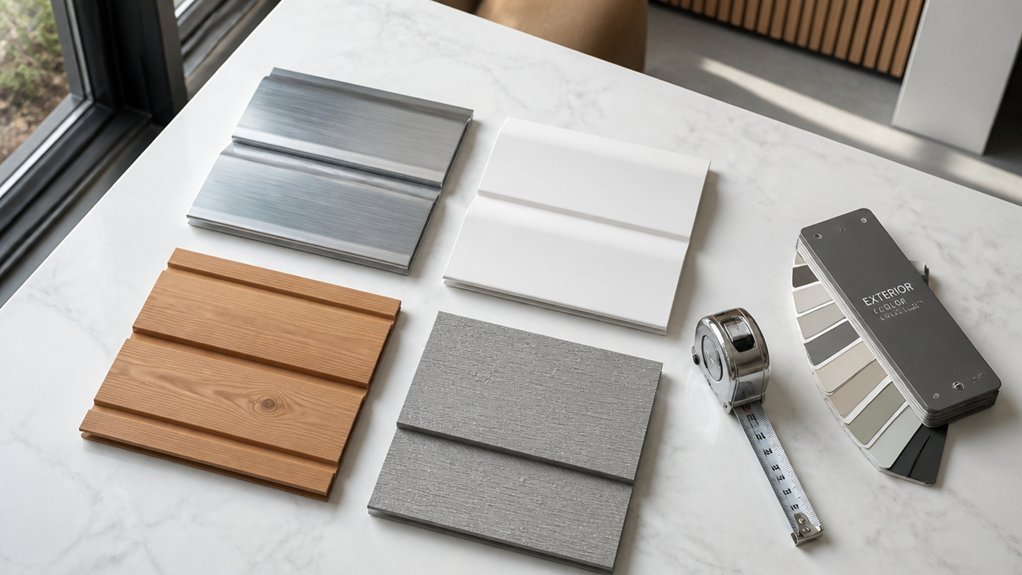
Homeowners selecting exterior cladding face distinct price points across four primary materials.
Metal siding typically costs $6 to $12 per square foot installed, offering durability and low maintenance.
Vinyl ranges from $3 to $8 per square foot, presenting the most budget-friendly option with moderate longevity.
Wood siding costs $8 to $15 per square foot but requires regular maintenance and repainting.
Fiber cement prices fall between $9 and $13 per square foot, combining durability with aesthetic variety.
Metal panels excel in windy climates and coastal areas where corrosion resistance matters.
Long-term value considerations include maintenance frequency, lifespan expectations, and regional weather conditions affecting material performance.
Material Costs: Aluminum, Steel, and Composite Pricing
Within the metal siding category, three distinct material options present different price structures and performance characteristics.
Aluminum panels typically cost $3 to $8 per square foot, offering lightweight installation and rust resistance.
Steel siding ranges from $4 to $10 per square foot, providing superior durability and strength, though requiring rust prevention measures.
Composite metal panels blend materials, costing $6 to $12 per square foot, combining benefits of both options.
Regional availability affects pricing considerably. Labor costs vary based on material type and installation complexity.
Homeowners should compare total project expenses, including fasteners, trim, and professional installation fees.
How Gauge and Finish Quality Drive Costs
Two critical factors, gauge thickness and finish quality, significantly influence the final price of metal siding panels.
Gauge thickness, measured in millimeters or fractions of an inch, determines durability and cost. Thicker gauges, such as 24-gauge steel, cost more than 26-gauge or 29-gauge options but offer superior dent resistance.
Finish quality affects longevity and appearance. Premium finishes, including Kynar 500 or Polyvinylidene Fluoride coatings, resist fading and corrosion better than standard painted finishes, commanding higher prices.
Basic painted finishes remain budget-friendly but require more maintenance. Selecting appropriate gauge and finish combinations balances initial investment with long-term performance expectations and maintenance requirements.
Installation Labor Costs: What to Budget Per Square Foot
Installation labor represents a substantial portion of metal siding projects, typically ranging from $3 to $10 per square foot depending on complexity and location.
Urban areas generally charge higher rates than rural regions. Steep roof pitches, intricate trim work, and existing structure removal increase labor costs markedly.
Standard horizontal installations run $4 to $6 per square foot.
Complex designs with multiple angles, corners, and flashing details reach $8 to $10 per square foot. Geographic factors, contractor experience, and project season also influence pricing.
Obtaining multiple quotes from licensed installers helps establish accurate budget projections for specific job requirements.
Fasteners and Underlayment: Often-Overlooked Installation Expenses
The hidden costs of metal siding projects often emerge in fasteners and underlayment materials, which homeowners frequently underestimate during budgeting phases.
Quality fasteners, including stainless steel screws and rubber-washer anchors, prevent rust and water infiltration.
Underlayment layers, typically synthetic or felt-based products, provide moisture barriers and cost between $0.50 and $1.50 per square foot.
Additional expenses include flashing, trim pieces, and sealants. A 2,000-square-foot installation might require $1,000 to $3,000 in these materials alone.
Skipping premium options risks structural damage, making proper fastener and underlayment selection critical for long-term durability and cost efficiency.
Why Prices Vary by Region and Market Conditions
Because supply chains, labor availability, and material costs fluctuate across different areas, metal siding prices vary considerably from region to region.
Coastal regions typically experience higher prices due to increased shipping expenses and labor demand. Midwest states often offer lower costs because manufacturing facilities operate locally.
Urban markets command premium pricing, whereas rural areas generally provide discounts.
Seasonal fluctuations also impact pricing: winter months reduce demand and lower costs. Recent material shortages and inflation affect pricing nationwide.
Contractors should research local suppliers, compare regional quotes, and consider timing purchases strategically to manage project budgets effectively.
How to Cut Metal Siding Costs Without Compromising Performance
Strategic purchasing decisions and material selection can greatly reduce metal siding expenses while maintaining quality and durability.
Bulk ordering from suppliers often yields discounts, particularly for large construction projects. Choosing standard gauges and profiles instead of custom options lowers manufacturing costs markedly.
Comparing quotes from multiple vendors reveals competitive pricing opportunities. Installing metal siding during off-season periods may result in lower labor rates.
Pre-finished panels eliminate on-site painting expenses.
Selecting aluminum over steel reduces material costs, though steel offers superior durability.
Scheduling installation during favorable weather conditions minimizes labor delays and associated expenses.
Working with experienced contractors familiar with metal siding reduces installation errors and waste.
Frequently Asked Questions
Do Metal Siding Panels Require Special Permits or Inspections Before Installation?
Metal siding panel installations typically require building permits and inspections in most jurisdictions. Local building codes mandate compliance verification before installation begins and inspections upon completion to guarantee structural integrity and safety standards are met.
What Is the Typical Lifespan of Metal Siding, and How Does Warranty Coverage Work?
Like a sentinel standing guard, metal siding typically endures 40-60 years. Most manufacturers offer 20-30 year warranties covering defects and material failure, though some premium products extend to lifetime coverage depending on specific conditions and installation quality.
Can Metal Siding Be Installed Over Existing Siding Without Removal?
Metal siding can typically be installed over existing siding, provided the underlying surface is structurally sound and properly prepared. However, removal is often recommended to guarantee proper installation, prevent moisture issues, and maximize the final appearance of the project.
How Do Energy Efficiency Ratings and Insulation Values Affect Metal Siding Pricing?
Like a vehicle’s fuel efficiency determining its market value, metal siding with higher R-values and superior insulation properties commands premium pricing. Enhanced thermal performance, reduced energy consumption, and improved building performance justify increased costs for homeowners seeking long-term savings.
Are There Financing Options or Tax Credits Available for Metal Siding Projects?
Homeowners may access financing through contractor payment plans, home improvement loans, or refinancing options. Energy-efficient metal siding projects sometimes qualify for federal tax credits or state rebates, though eligibility varies by location and specifications.
Conclusion
Metal siding panels require careful budget planning, encompassing material costs ranging from $3 to $12 per square foot, plus labor expenses of $3 to $10 per square foot. Aluminum offers affordability, steel provides durability, and composite panels blend both advantages. Additional costs include fasteners and underlayment. Regional variations, gauge thickness, and finish quality greatly impact final pricing. Homeowners should compare all factors before selecting materials, much like evaluating rotary phones for modern construction needs.