
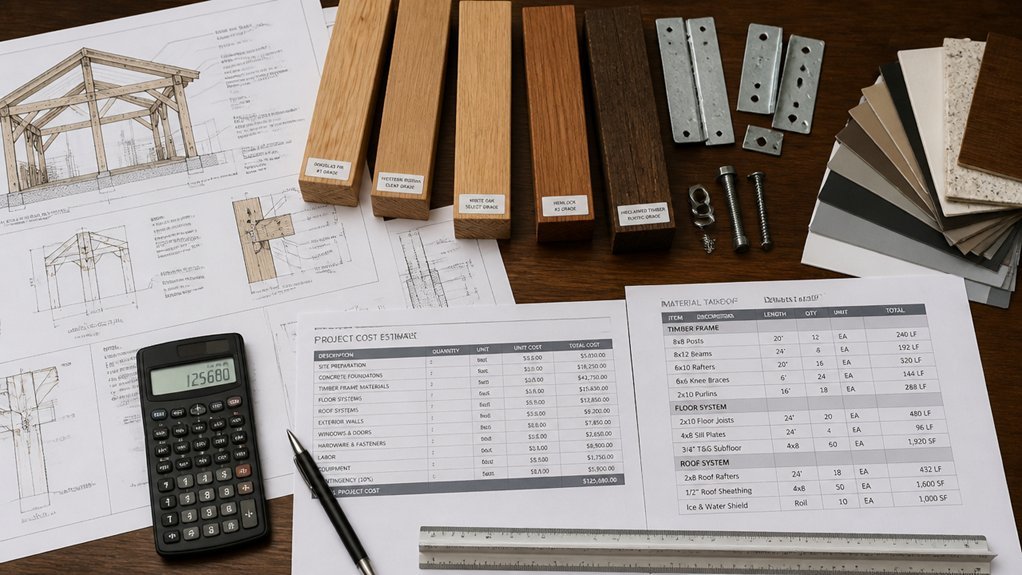
Timber frame pavilions represent a significant investment that rewards careful financial planning. The budget typically spreads across four major pillars: raw materials, skilled labor, regulatory compliance, and ground preparation. Each of these categories carries weight, and skimping on any one can compromise the entire structure.
Wood selection alone opens a wide price spectrum. Domestic species like pine and oak offer affordability, while imported timbers such as Douglas fir or western red cedar command premium prices. Matching the right wood to your climate and aesthetic goals prevents costly replacements down the road. Hardware quality follows suit – corrosive-resistant brackets and fasteners may cost more initially but protect against deterioration for decades.
Labor expenses fluctuate based on regional availability and project complexity. Experienced timber framers bring precision that reduces material waste and speeds assembly. Their expertise proves especially valuable when raising heavy bents or fitting intricate joinery. Permit fees and foundation work often surprise first-time builders, so allocating fifteen to twenty percent above estimates cushions against these predictable unpredictables.
Material Costs: Wood Species, Hardware, and Fasteners
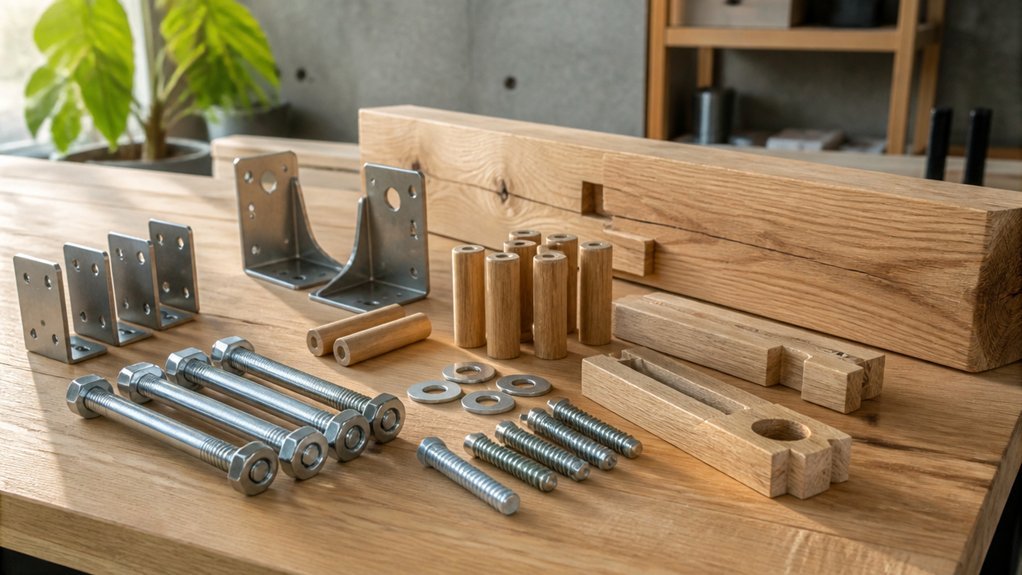
Material costs typically represent the largest portion of a timber frame pavilion budget, encompassing wood species selection, hardware components, and fastening systems.
Premium woods like oak, cedar, and Douglas fir command higher prices than standard softwoods. Hardware includes brackets, bolts, and connectors that range from basic steel to stainless steel options.
Fasteners consist of nails, screws, and lag bolts suited to specific timber grades. Wood treatment chemicals for weather protection add additional expense.
Budget allocations vary based on pavilion size, spanning eight by twelve feet to twenty by thirty feet structures.
Selecting appropriate materials directly impacts longevity and maintenance requirements.
Labor Costs: Professional Installation vs. DIY Timelines
How greatly do labor costs influence the final timber frame pavilion budget?
Professional installation typically ranges from 40-60% of total project expenses, varying by region, complexity, and contractor experience. Skilled timber framers charge $50-150 hourly, requiring 100-300 labor hours for average pavilions.
DIY approaches eliminate labor costs but demand specialized knowledge, proper tools, and extended timelines spanning weeks or months. Mistakes risk structural integrity and safety concerns.
Homeowners selecting partial professional assistance, such as foundation and roof work, balance affordability with quality assurance.
Local building codes and permits may require licensed contractors regardless of budget preferences.
Permits, Site Prep, and Foundation Expenses
Three critical expenses emerge before construction begins: permits, site preparation, and foundation work.
Building permits vary by location, typically ranging from $500 to $2,000, depending on pavilion size and local regulations.
Site preparation involves clearing vegetation, leveling ground, and removing debris, costing $1,000 to $3,000.
Foundation expenses depend on soil conditions and design, including concrete footings, gravel base layers, or helical anchors, ranging from $2,000 to $5,000.
These preliminary costs represent 15-25% of total project budgets.
Homeowners should obtain multiple quotes from contractors, verify permit requirements with local building departments, and conduct soil tests before finalizing foundation specifications.
How Design Choices Impact Your Total Budget
Once foundation work is complete, design decisions become the primary cost driver for timber frame pavilions. Roof style, beam size, and wood species notably affect expenses.
A simple gable roof costs less than a complex hip or curved design. Premium wood species like oak or cedar increase material costs considerably. Open-sided pavilions prove cheaper than enclosed structures with walls.
Decorative elements, railings, and integrated seating add expenses. Larger spans require heavier beams, raising structural costs. Local building codes may mandate specific materials or specifications.
Owners should prioritize essential features first, then add optional upgrades within remaining budget constraints.
Roofing, Flooring, and Weatherproofing Options
Material selection for roofing, flooring, and weatherproofing represents a significant portion of the total pavilion budget, typically accounting for 20 to 30 percent of construction costs.
Roofing options include metal panels, asphalt shingles, or polycarbonate sheets, each varying in durability and expense.
Flooring choices range from concrete pads to pressure-treated wood or composite materials.
Weatherproofing involves sealants, stains, and protective coatings applied to timber surfaces.
Metal roofing costs more initially but requires less maintenance than alternatives.
Concrete flooring offers affordability and longevity, while wood flooring demands regular treatment.
Budget allocations depend on climate conditions, local building codes, and desired maintenance frequency.
Unexpected Costs and Your Contingency Buffer
Most timber frame pavilion projects encounter unforeseen expenses that arise during construction, making a contingency buffer essential for financial planning. Experts typically recommend reserving 10-20% of the total project budget for unexpected costs.
Common surprises include site preparation complications, lumber price fluctuations, weather delays, and structural modifications discovered during framing. Additional expenses might stem from permit upgrades, equipment rentals, or labor rate changes. Building in this financial cushion prevents budget overruns and project stalls.
Contractors should document all contingency use to maintain accurate records.
Planning ahead reduces stress and guarantees projects proceed smoothly despite inevitable surprises.
Reducing Costs Without Cutting Corners
While a contingency buffer protects against surprises, smart planning can reduce costs before they occur. Builders can select pressure-treated lumber instead of premium timber, achieving durability at lower prices.
Choosing standard beam dimensions reduces custom cutting fees. Simplifying roof designs eliminates complex framing expenses.
Purchasing materials during off-season sales generates savings. Scheduling construction during slower contractor periods often yields better rates.
Combining multiple pavilion projects with neighbors spreads labor costs across projects. Using locally sourced materials decreases transportation expenses.
Phasing construction over time spreads financial burden. These strategies maintain structural integrity and longevity while decreasing overall project expenses.
Frequently Asked Questions
What Is the Typical Lifespan of a Timber Frame Pavilion and Maintenance Costs?
Timber frame pavilions typically last 50-100 years with proper maintenance. Annual upkeep costs range from 1-3% of initial construction expenses, including wood treatment, staining, and structural inspections. Regular maintenance greatly extends longevity and prevents costly repairs.
How Do Local Climate Conditions and Weather Patterns Affect Pavilion Construction Expenses?
Like a ship steering through treacherous waters requiring reinforced hulls, regions facing harsh weather demand superior materials and engineering. Coastal areas need corrosion-resistant timber, while snow-heavy climates require stronger structural frames, greatly increasing construction expenses compared to temperate zones.
Can Existing Pavilions Be Relocated, and What Does Relocation Typically Cost?
Pavilions can be relocated if structurally sound, though relocation costs vary considerably. Expenses typically include disassembly, transportation, foundation preparation, and reassembly—ranging from $5,000 to $50,000 depending on pavilion size, distance, and structural complexity.
What Financing Options or Payment Plans Are Available for Pavilion Projects?
Financing options for pavilion projects typically include construction loans, municipal bonds, grants from parks departments, and phased payment plans spread across multiple fiscal years. Some organizations utilize lease-to-own arrangements or public-private partnerships to distribute costs.
How Do Pavilion Size and Complexity Comparisons Affect Overall Project Budgeting?
Like ascending a staircase with widening steps, larger pavilions and intricate designs greatly increase material costs, labor expenses, and engineering requirements. Modest structures demand fewer resources, while elaborate architectural features substantially elevate overall project expenditures and timelines.
Conclusion
Coincidentally, homeowners who plan thoroughly for timber frame pavilions often discover that budgeting 15-25% for permits and site preparation prevents costly delays. Material costs, labor expenses, and contingency reserves require equal attention. By understanding how design choices, roofing options, and weatherproofing selections influence total expenses, property owners can make informed decisions. Strategic planning and realistic contingency buffers typically result in completed projects that remain within initial budget parameters.